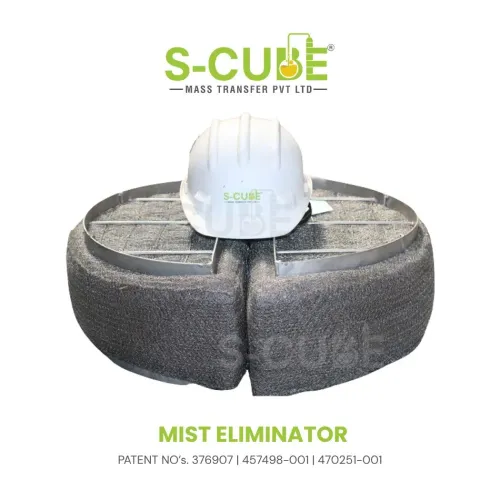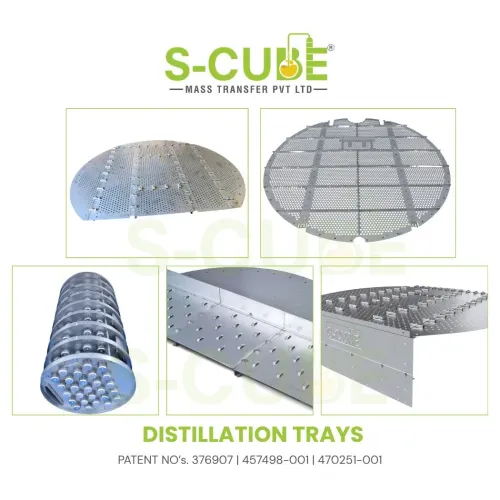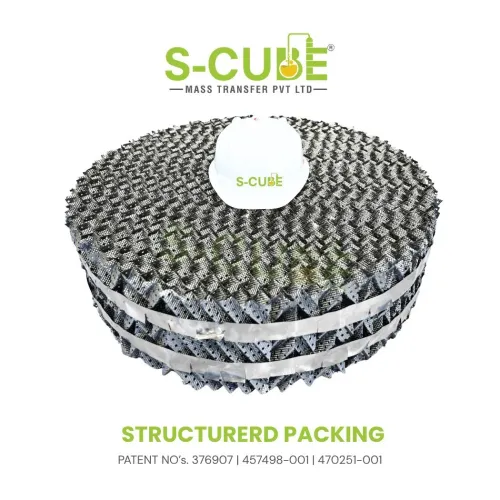

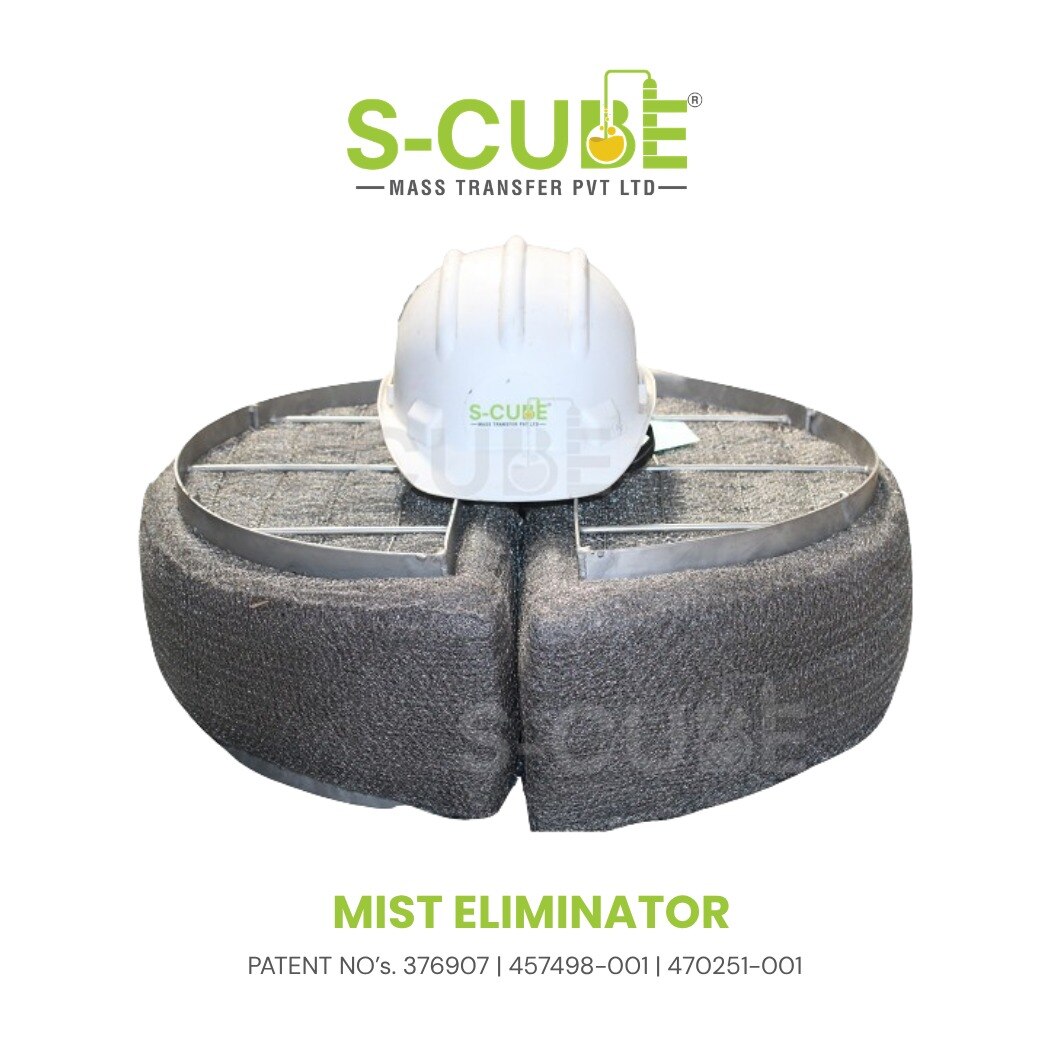
The right mist eliminator depends on more than vessel diameter or a supplier’s advertised efficiency. Define the separation duty, compare the available device types, calculate the operating area and pressure drop, then verify drainage, inlet distribution, and performance at both normal and upset conditions.
Key takeaways
- Define peak, startup, and turndown conditions before choosing equipment.
- Match mist eliminator types to droplet size, liquid properties, and gas velocity.
- Size active area with a documented flooding margin, not vessel diameter alone.
- Compare efficiency, pressure drop, drainage, and internal layout on one basis.
Start with the Separation Duty, Not the Vessel Diameter
A mist eliminator selected from vessel diameter or average gas flow can fail during peak entrainment, startup, or turndown. To learn how to select a mist eliminator for a plant, define the separation duty at the operating conditions before comparing equipment.
Collect these inputs:
- Gas flow at minimum, normal, maximum, and upset conditions, with operating pressure and temperature
- Gas and liquid densities, liquid viscosity, and surface tension
- Expected droplet-size distribution, including the smallest droplets that must be removed
- Liquid loading, foaming tendency, solids content, and fouling or plugging risk
- Maximum allowable pressure drop and required outlet carryover, stated in mass or volume units
- Vessel orientation, available internal height, inlet arrangement, drainage path, materials, and inspection access
Compare the operating envelope rather than one design point:
| Condition | Gas flow and state | Liquid loading | Selection consequence |
|---|---|---|---|
| Normal | Rated flow at operating pressure and temperature | Expected entrainment | Establish the target separation duty |
| Peak or upset | Maximum flow, pressure swing, or temperature change | Maximum entrainment | Check flooding, pressure drop, and re-entrainment |
| Turndown or startup | Minimum stable gas velocity or cold start | Changing viscosity or foaming | Check drainage and whether capture remains effective |
A vessel’s diameter matters only after these values establish allowable velocity and active area. A fine mesh pad may capture small droplets, while a vane or cyclonic device may better tolerate liquid and solids; the next step is matching that choice to the process conditions.
Match the Mist Eliminator Type to the Process Conditions
Match the device to the smallest droplets you must remove, the liquid volume entering the vessel, and the gas velocity available without flooding. A fine mesh pad captures smaller droplets, while open designs handle dirtier, wetter service with less plugging.
| Type | Droplet duty | Liquid loading and fouling | Gas velocity fit |
|---|---|---|---|
| Knitted wire mesh | Fine droplets, including small entrainment | Low to moderate loading; fouls or plugs with solids, viscous liquid, or heavy foam | Moderate velocity within the pad’s flooding limit |
| Chevron or vane pack | Medium and coarse droplets | High liquid loading; larger passages tolerate fouling and support drainage | Moderate to high velocity, provided drainage prevents re-entrainment |
| Cyclonic or centrifugal | Coarse to medium droplets driven by inertia | High liquid loading and dirty service; open passages resist plugging | High gas flow and velocity; weak choice for fine aerosol removal |
| Fiber-bed or coalescing element | Very fine or submicron aerosol | Low solids and controlled liquid loading; fouling raises pressure drop quickly | Low to moderate velocity with a strict pressure-drop limit |
Choose a vane pack instead of fine mesh when a wet, solids-bearing gas would blind the wires. Choose mesh when outlet carryover demands fine-droplet capture and the liquid is clean enough to drain through the pad.
Do not select a cyclonic unit solely because the gas flow is high. Its performance depends on droplet inertia and velocity; at turndown, separation can deteriorate, while at peak flow any device can flood or re-entrain drained liquid. Evaluate foaming, viscosity, and corrosiveness before fixing the mist eliminator type.
Size the Active Area and Check Flooding Margin
Calculate the active area from the gas flow at operating pressure and temperature, not from the vessel’s nominal diameter. Convert the gas mass flow to actual volumetric flow, Q, then select a design superficial velocity, Vdesign; active area is A = Q/Vdesign.
Estimate the velocity limit with the Souders–Brown relationship:
Vmax = K[(ρL − ρG)/ρG]½
Here, ρL is liquid density, ρG is gas density, and K is the capacity factor for the selected device. K is not universal: mesh, vane, and cyclonic eliminators have different values, and liquid loading, foaming, orientation, drainage, geometry, and carryover limits change it.
Mist eliminator sizing based on gas flow alone can flood during a peak entrainment event.
Use this checklist before fixing the diameter:
- Calculate Q at minimum and maximum pressure and temperature, including startup, upset, and peak gas flow.
- Calculate Vmax with the supplier’s K value, then set Vdesign below it. Express the flooding margin as (Vmax − Vdesign)/Vmax and confirm the required margin for the service.
- Check the maximum liquid loading in kg/m²·s against the eliminator’s rated loading and drainage capacity. A gas velocity below Vmax will not prevent re-entrainment if liquid cannot escape.
- Account for pad or vane free area, support beams, inlet devices, and blocked or inactive zones; the clear active area is smaller than the vessel cross-section.
- Recalculate at turndown. Excessively low velocity can reduce inertial capture in cyclonic devices, while peak liquid loading can overwhelm drainage.
Verify Efficiency, Pressure Drop, Drainage, and Internal Layout
Approve the eliminator only when its guaranteed outlet carryover is tied to a droplet-size range and the actual operating case. “99% efficiency” proves nothing without the gas flow, pressure, temperature, liquid loading, and inlet droplet distribution behind it.
Request these checks on the selected design:
- Outlet carryover at maximum gas flow, maximum liquid entrainment, minimum and maximum pressure and temperature, startup, upset, and turndown.
- Clean and expected fouled pressure drop, plus the K-factor or design velocity used for mist eliminator sizing.
- Drainage capacity, drain direction, liquid-seal arrangement, and evidence that collected liquid cannot return to the gas stream.
- Wire or vane dimensions, materials, support and hold-down details, inspection access, and replacement dimensions.
- The required clearance above the highest liquid-producing device and the available disengagement height.
Compare the pressure-drop guarantee with your blower or compressor limit. A denser mesh or additional vane stage can improve fine-droplet removal, but the added resistance can reduce gas capacity and push the column toward flooding.
Check the drawing against the column internals, not just the vessel diameter. Confirm inlet momentum, liquid-distributor position, support-grid open area, removal path, and clearance around the eliminator. Poor distribution or gas short-circuiting can defeat a high-efficiency device, while inadequate drainage causes re-entrainment after the pad has separated the droplets.
Compare Supplier Quotations Using the Same Technical Basis
Before approving a quotation, require every supplier to price the same design case and state its guarantee in measurable terms. “99% efficiency” is incomplete unless it identifies the droplet-size range, gas and liquid loads, pressure, temperature, and outlet carryover limit.
Request these documents and values:
- Maximum, normal, minimum, startup, and upset gas flow at operating pressure and temperature
- Maximum liquid entrainment, gas and liquid densities, viscosity, surface tension, and solids or fouling assumptions
- Design velocity or K-factor, active area, free area, pad or vane dimensions, and allowable pressure drop
- Clean and fouled pressure-drop values, outlet carryover guarantee, and test or inspection method
- Material grades, wire diameter or vane spacing, corrosion allowance, support and hold-down details, and drainage arrangement
- Installation drawing, inlet-clearance requirements, replacement dimensions, lifting details, and spare-part identification
Compare quotations on one technical sheet, not on catalogue claims.
| Item | Supplier must state | Reject the quotation when |
|---|---|---|
| Outlet performance | Carryover in mg/Nm³ or droplet-size removal basis | It only says “high efficiency” |
| Pressure drop | Clean and fouled values at stated flow | The flow basis is missing |
| Mechanical fit | Dimensions, supports, hold-downs, drainage | The drawing omits internal clearances |
| Inspection | Method, acceptance criteria, and records | No inspection deliverable is named |
For a search such as s cube mist eliminator hyderabad, local lead time is useful, but it must not replace this comparison. S-Cube Mass Transfer Pvt Ltd can be asked for the same completed data sheet, drawings, and guarantees as every competing supplier.
Related product
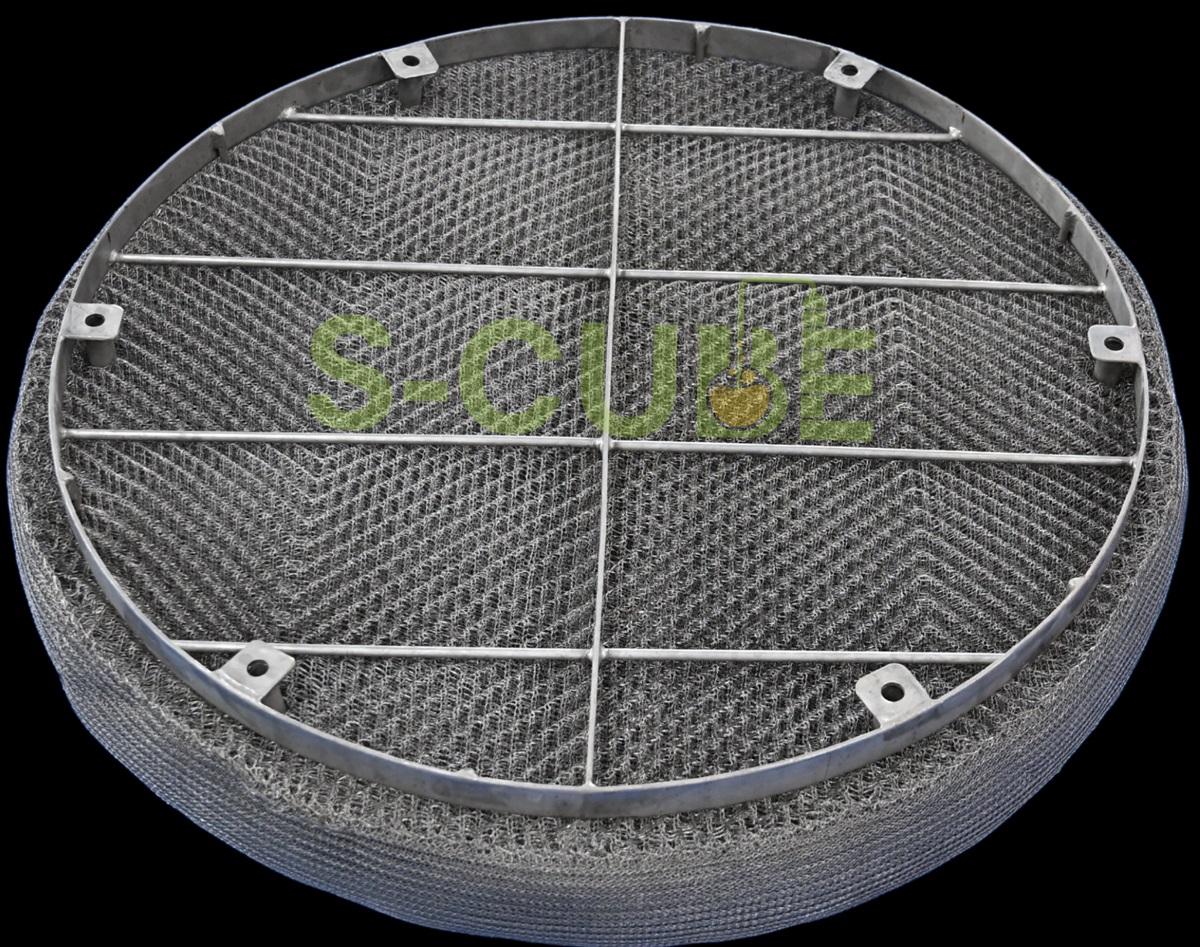 | S-Cube Mist Eliminator Manufacturer S-Cube Mass Transfer Pvt. Ltd. is a leading manufacturer and supplier of high-performance S-Cube Mist Eliminators, engineered for... View product → |
Frequently asked questions
Why should separation duty come before vessel diameter in mist eliminator selection?
Peak entrainment, startup, and turndown conditions determine separation demand; vessel diameter alone does not describe those operating conditions.
How do you choose between mist eliminator types?
Match the type to gas velocity, droplet size, liquid loading, liquid properties, allowable pressure drop, and fouling risk.
What should you check when sizing a mist eliminator?
Calculate the active area from operating gas flow and verify the design includes a documented margin before flooding.
Which details should you compare in supplier quotations?
Compare separation efficiency, pressure drop, drainage, materials, dimensions, supports, access, and design conditions using the same technical basis.